
For interior designers
You set the look. We make it move.
We detail the pockets, coordinate the wiring with your builder, then measure, install and program every shade and drapery track.
What we handle
The technical side, start to finish
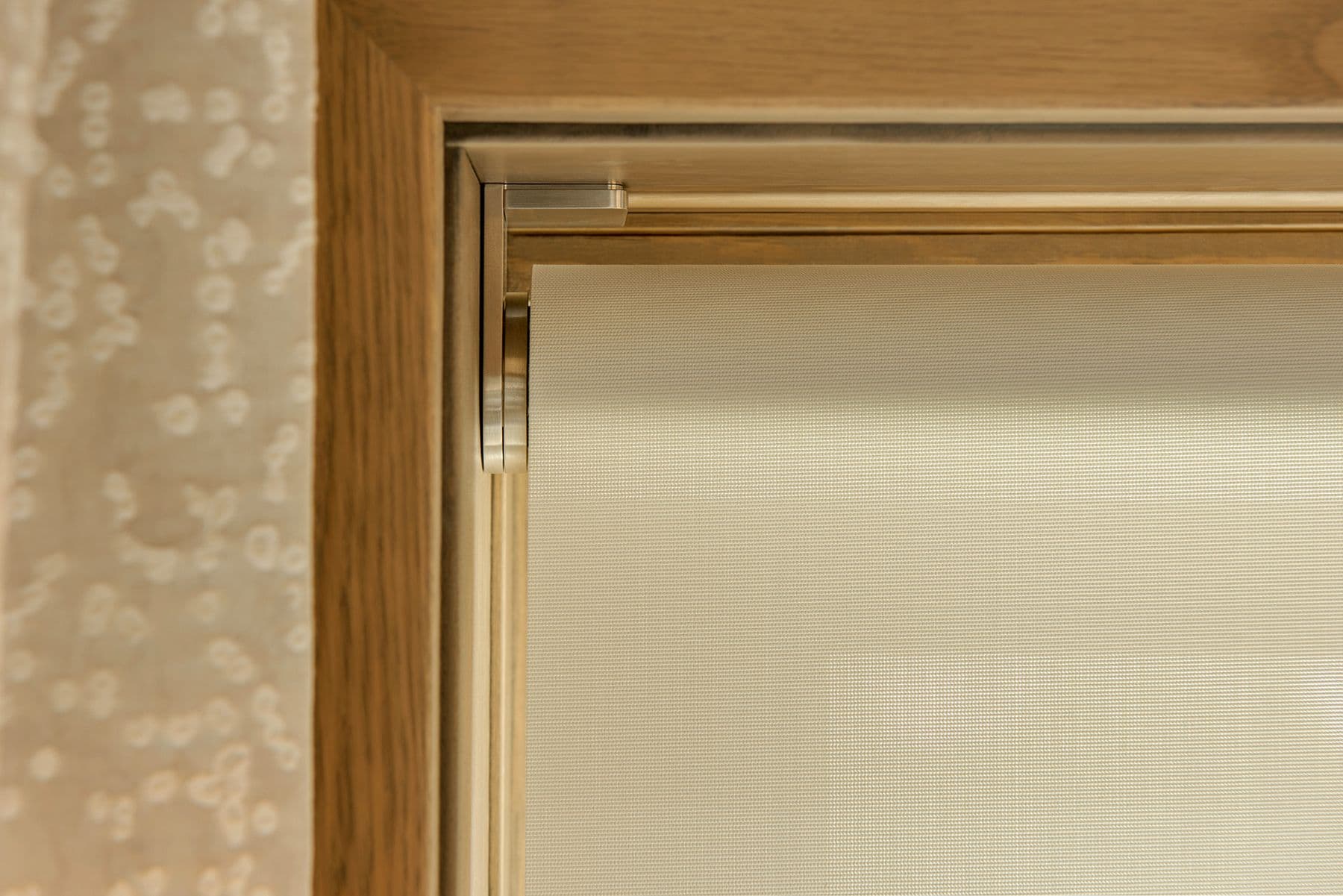
- Pockets and wire, before framing. We set pocket sizes with the architect and get a shade wire to every opening.
- One field measure. We measure every opening after drywall and order to that size.
- Clean lines. Hems on the same wall line up within 1/8 inch.
- Programmed for the client. Keypads, scenes and schedules, set before move-in.
- One system per home. Every shade works the same way, from the same app.
- Quoted room by room. Each shade is its own line, so you and your client see exactly what goes where.
The styles
Pocketed, fascia, open roll or drapery
The style
Drapery
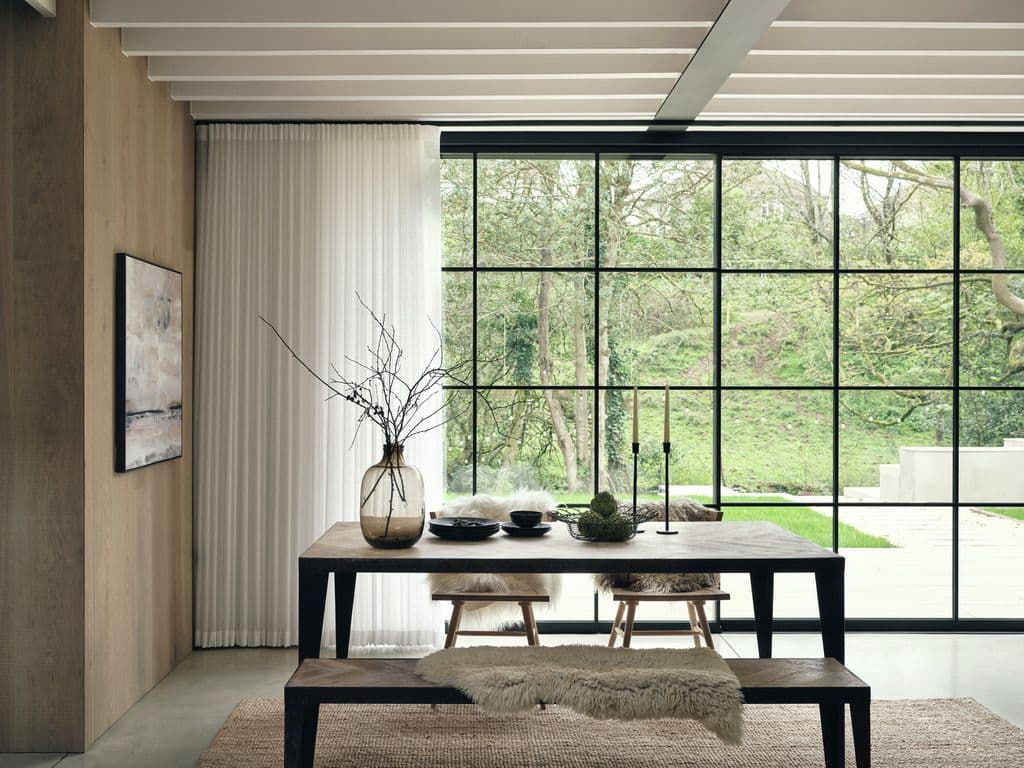
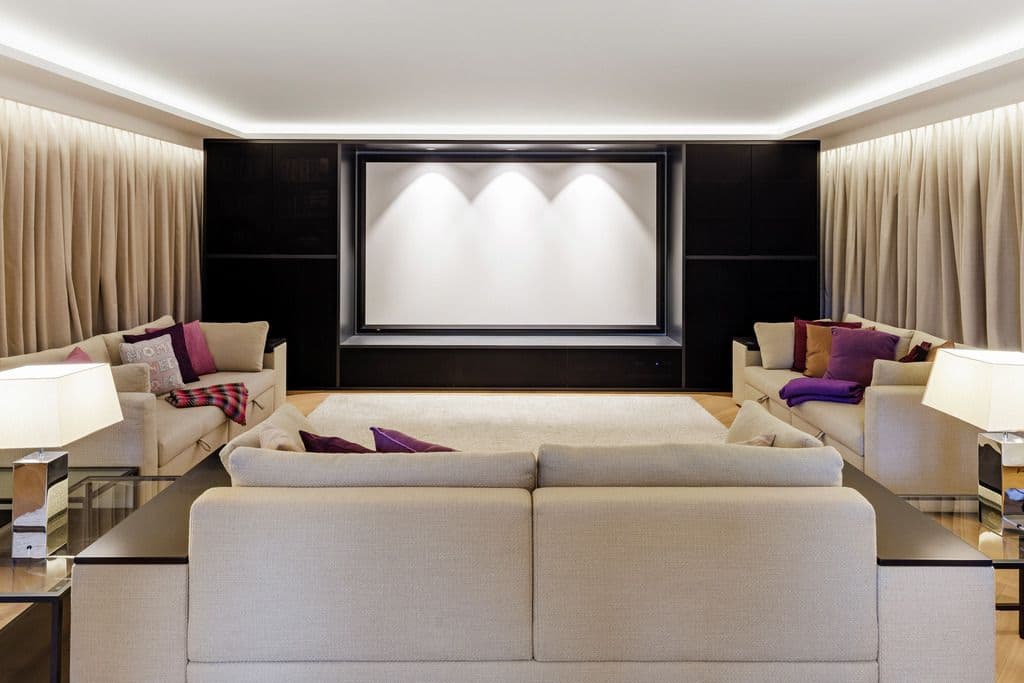
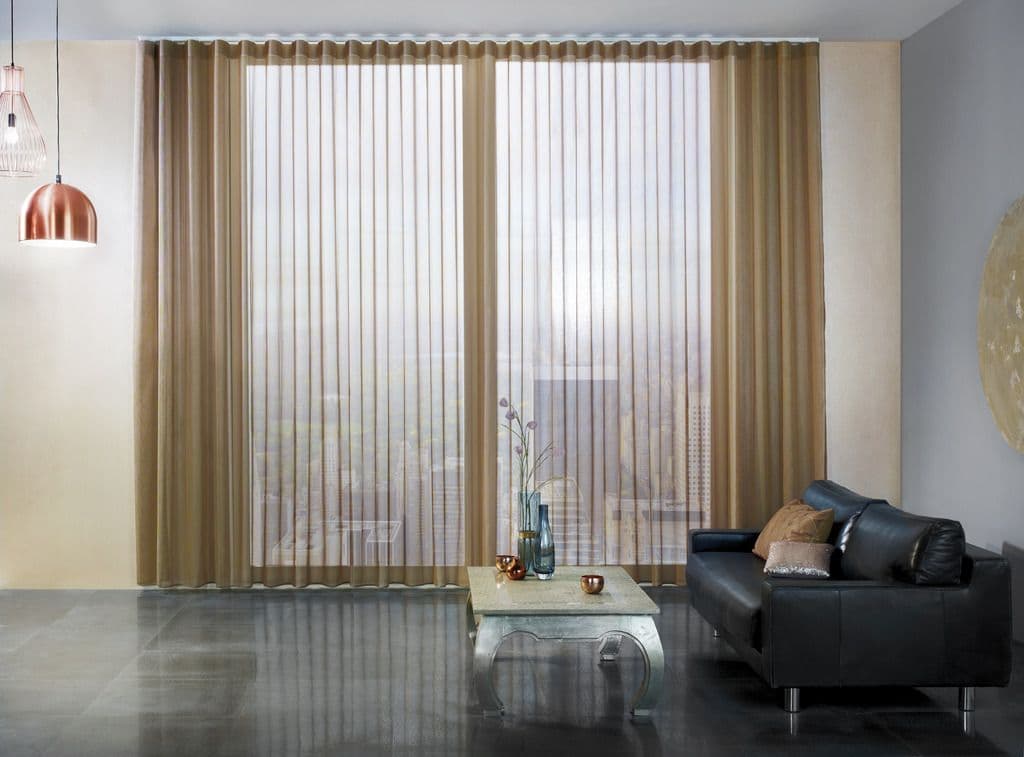
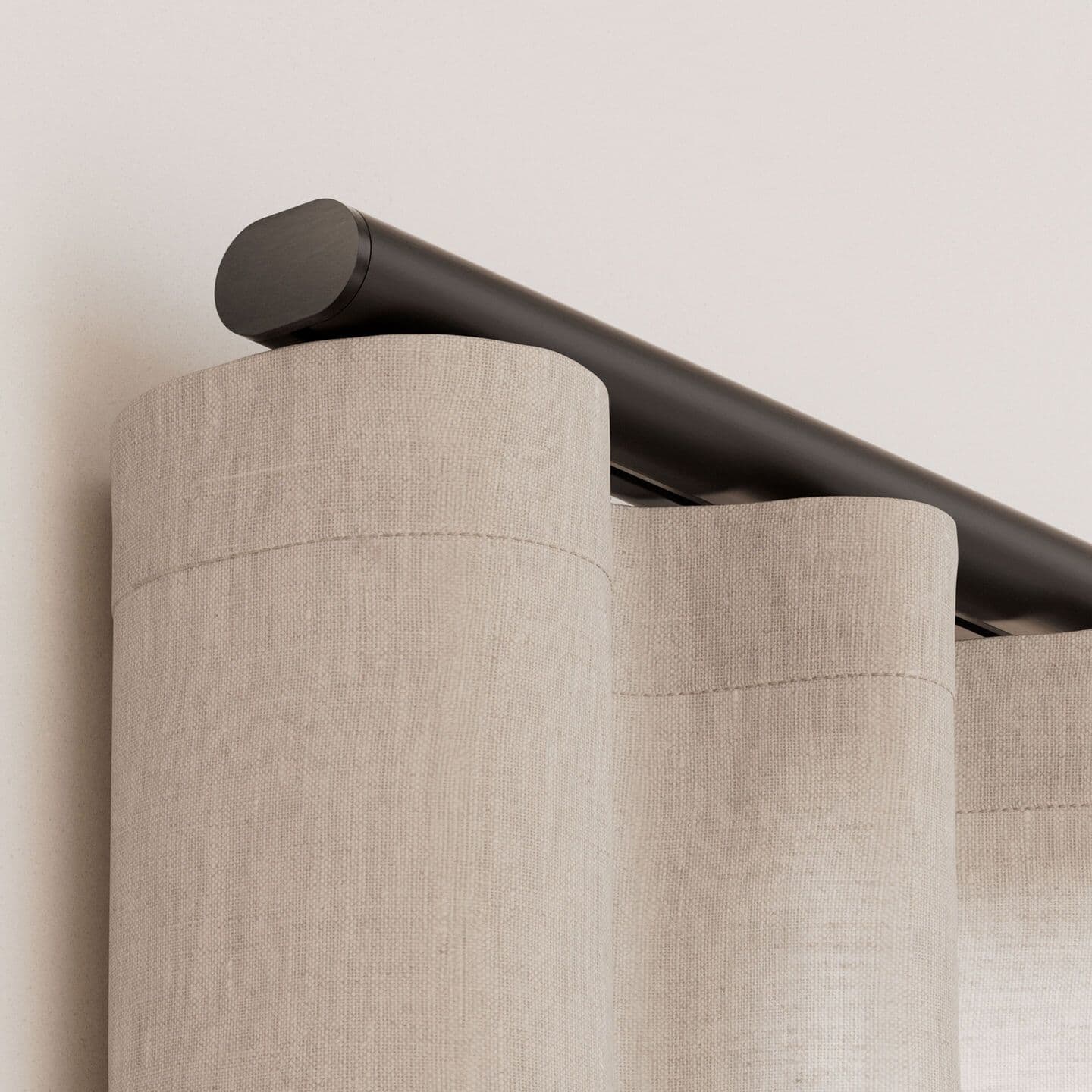
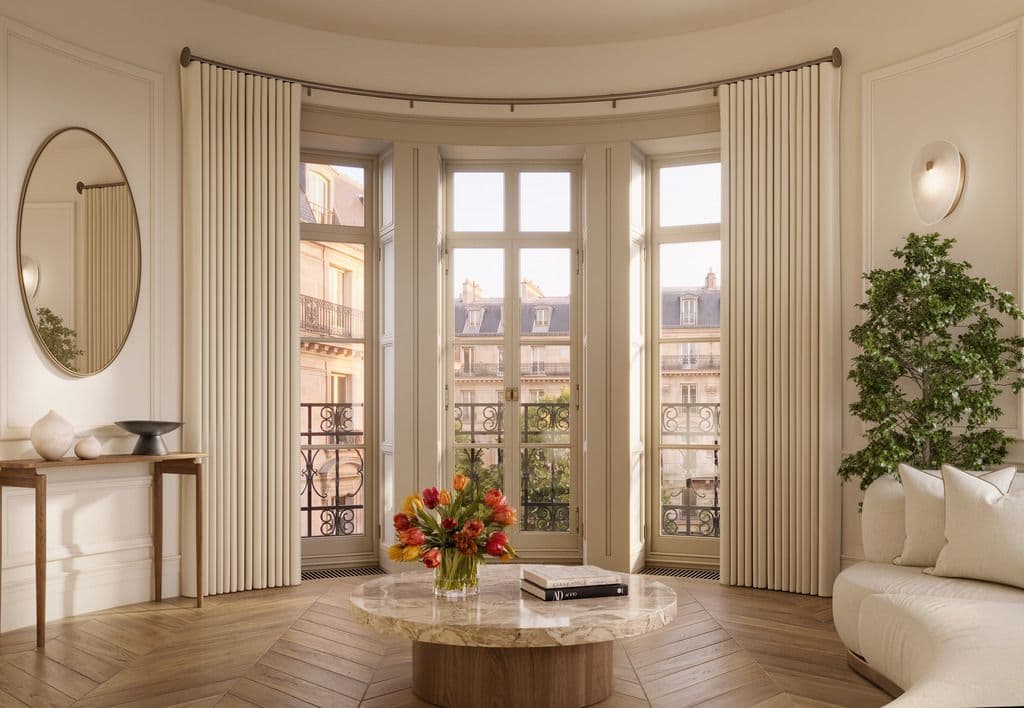
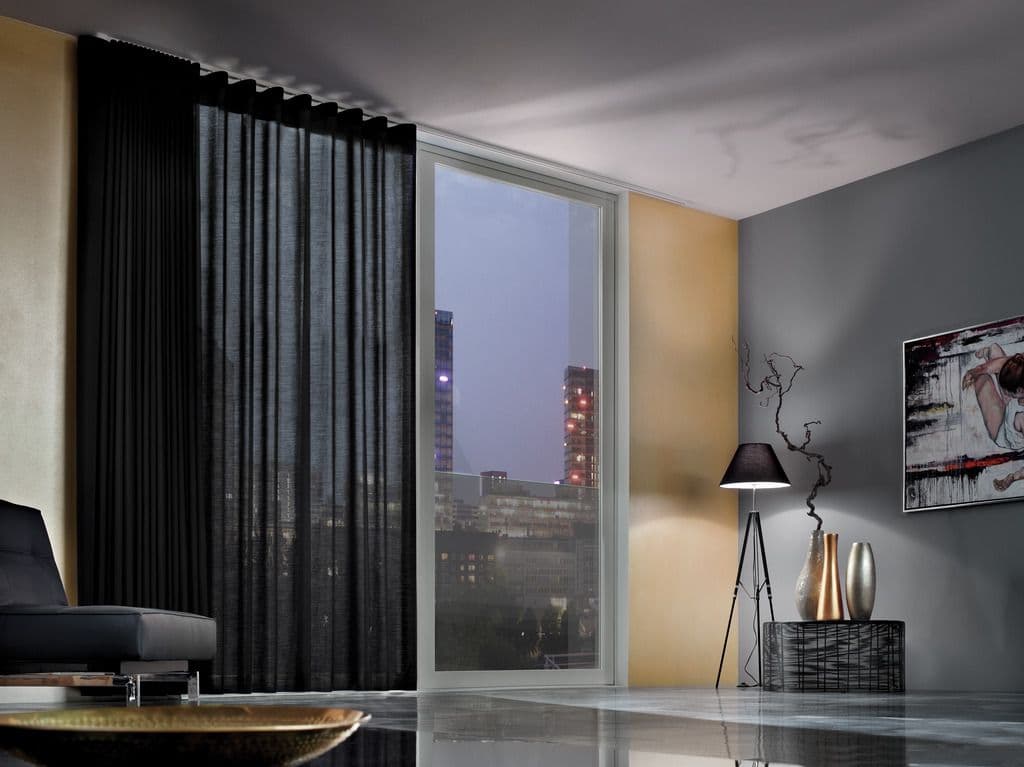
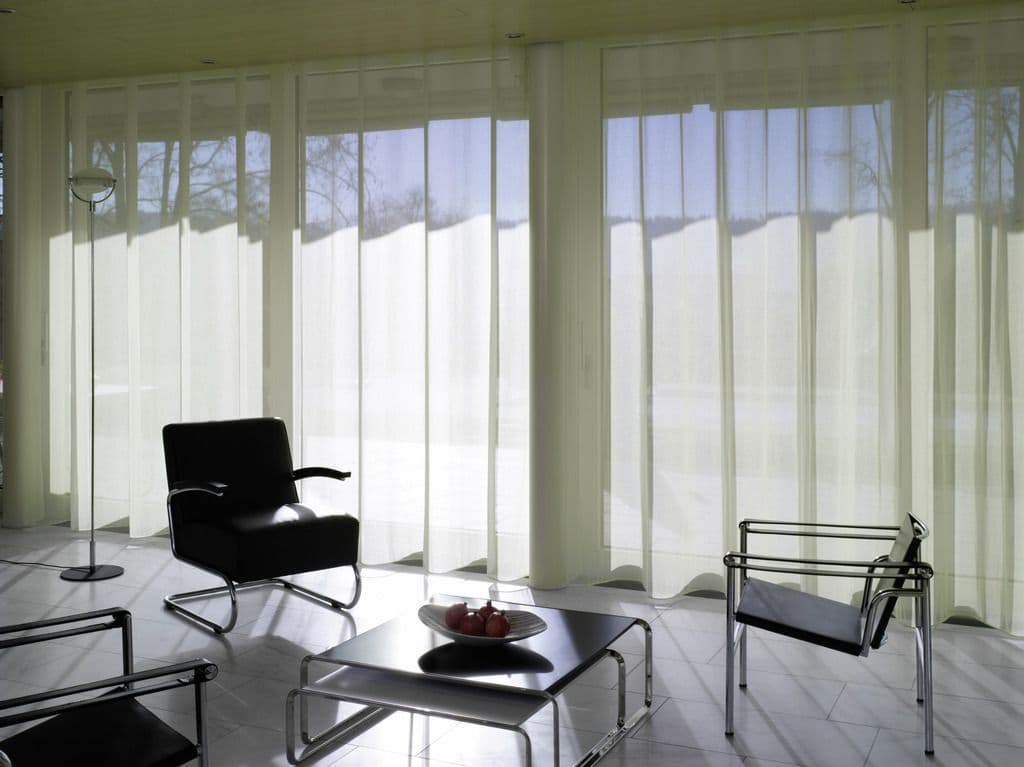
Fabric on a motorized track. It opens to the side and clears the whole window.
Drapery adds softness, and it stacks to the side, so tall glass and sliding doors open all the way. Put a sheer and a blackout layer on two tracks, then run either one from a keypad or the app.
- Tall glass and sliding doors
- Bedrooms that need a blackout layer
- Rooms that want softness and texture
The style
Pocketed shades
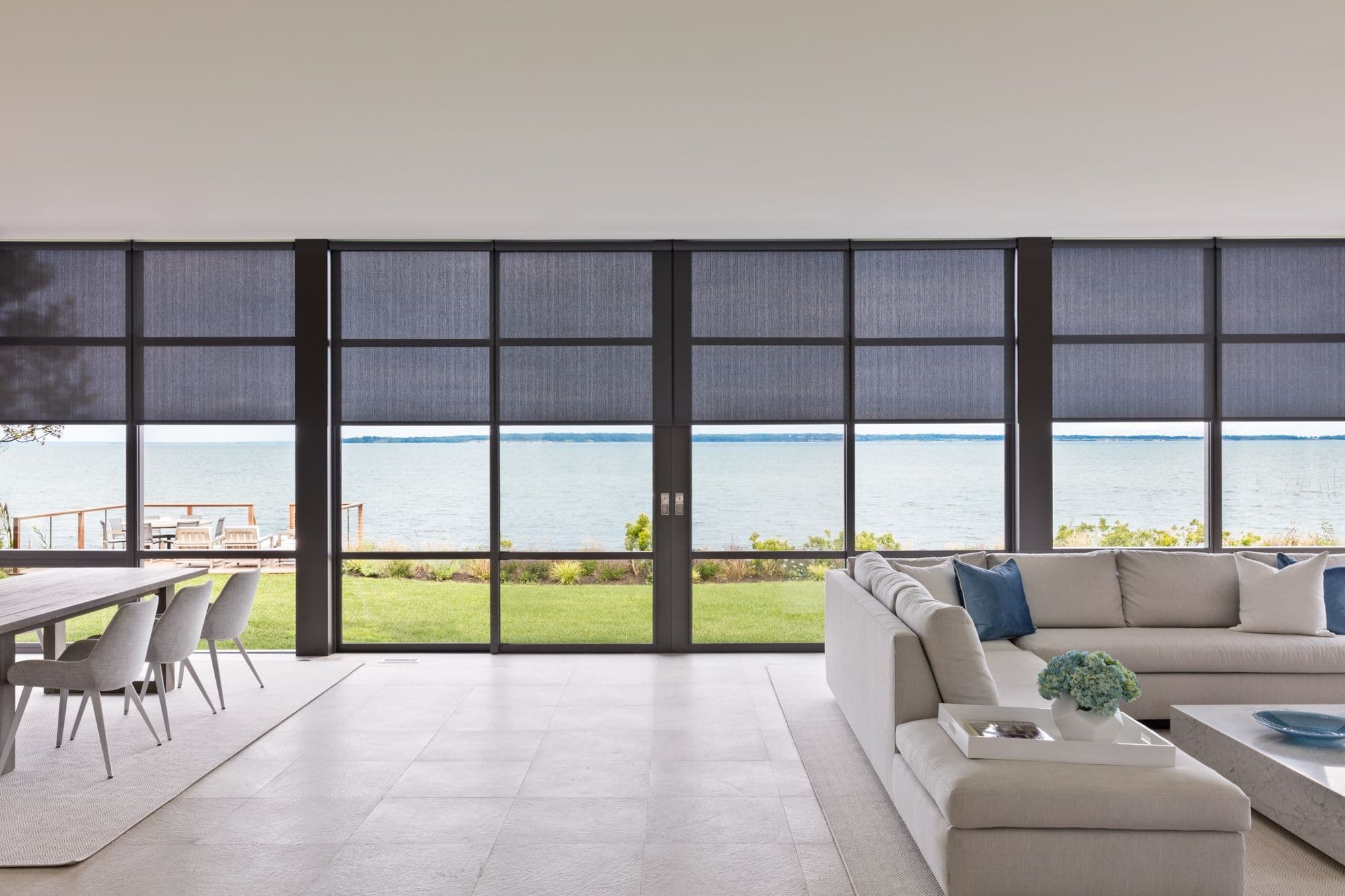
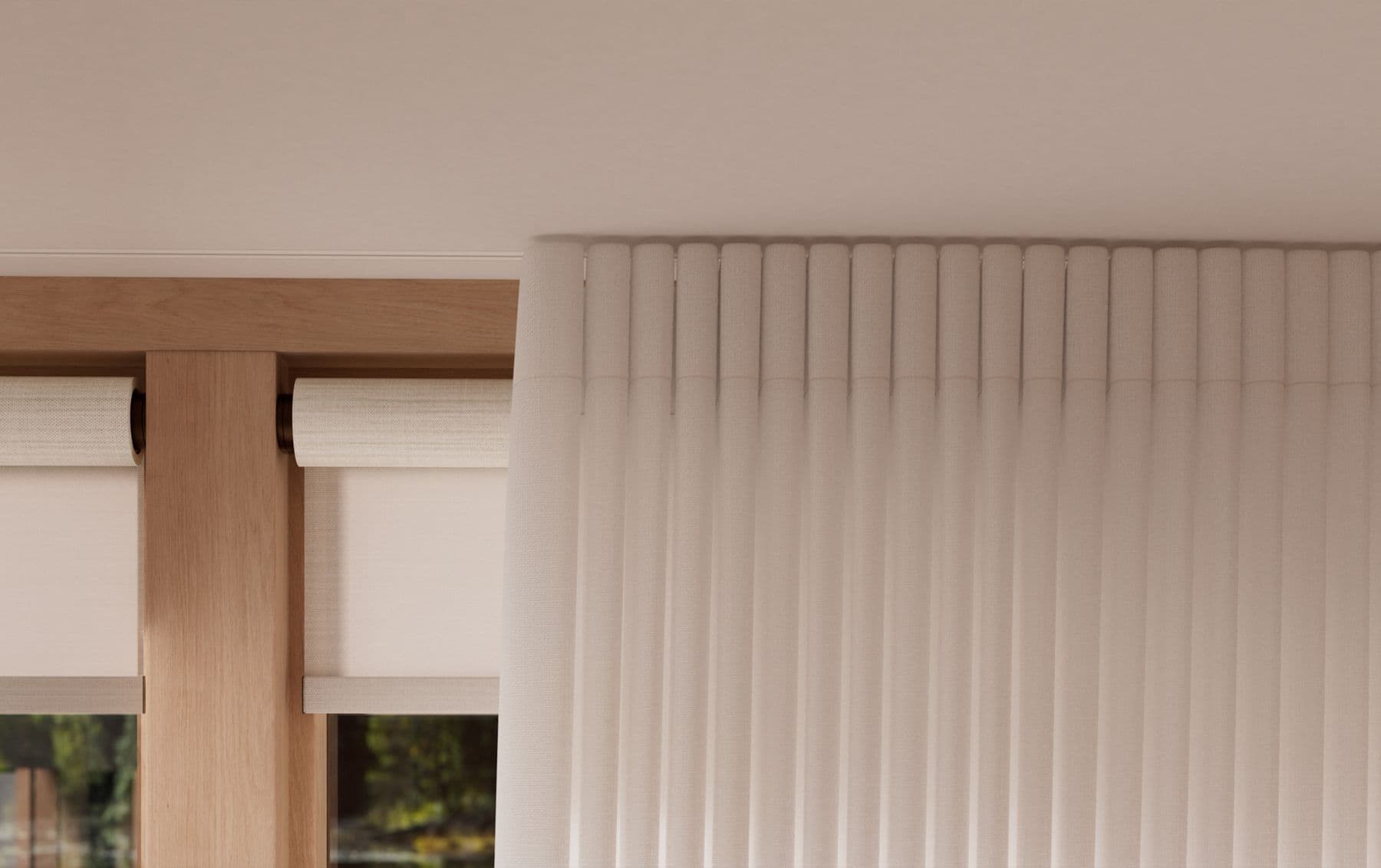
The roller hides in a pocket in the ceiling. When the shade is up, you see only the window.
We plan the pocket with your builder before drywall. The shade drops from a slot in the ceiling, and the hardware stays out of sight.
- New homes and major remodels
- Clean, modern rooms
- Walls of glass that run to the ceiling
The style
Fascia shades
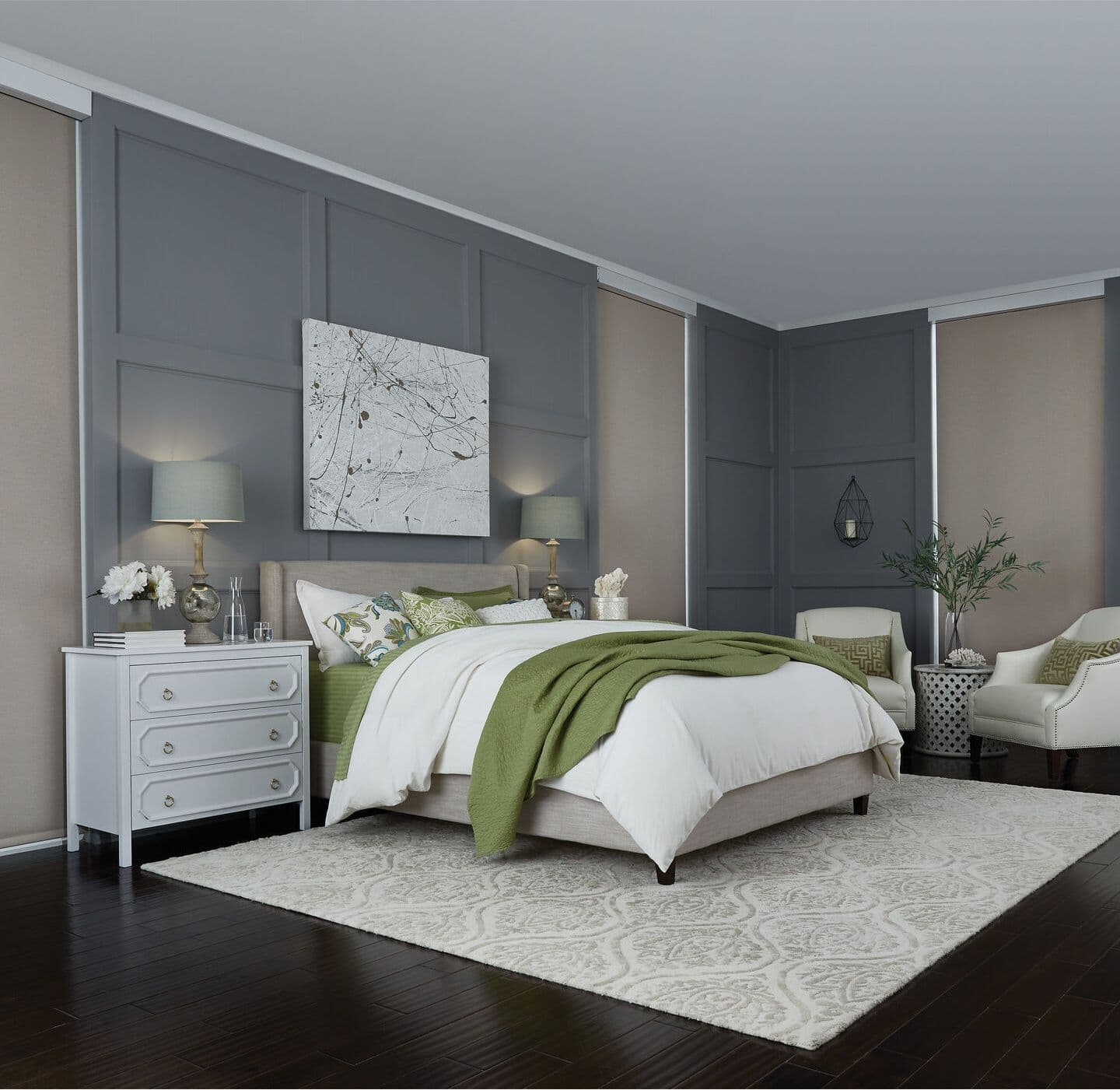
A slim cover hides the roller on the wall or in the window opening.
Fascia gives a finished look where there is no pocket. It suits a home that is already built.
- Finished homes
- Remodels after drywall
- Windows with no room for a pocket
The style
Open roll shades
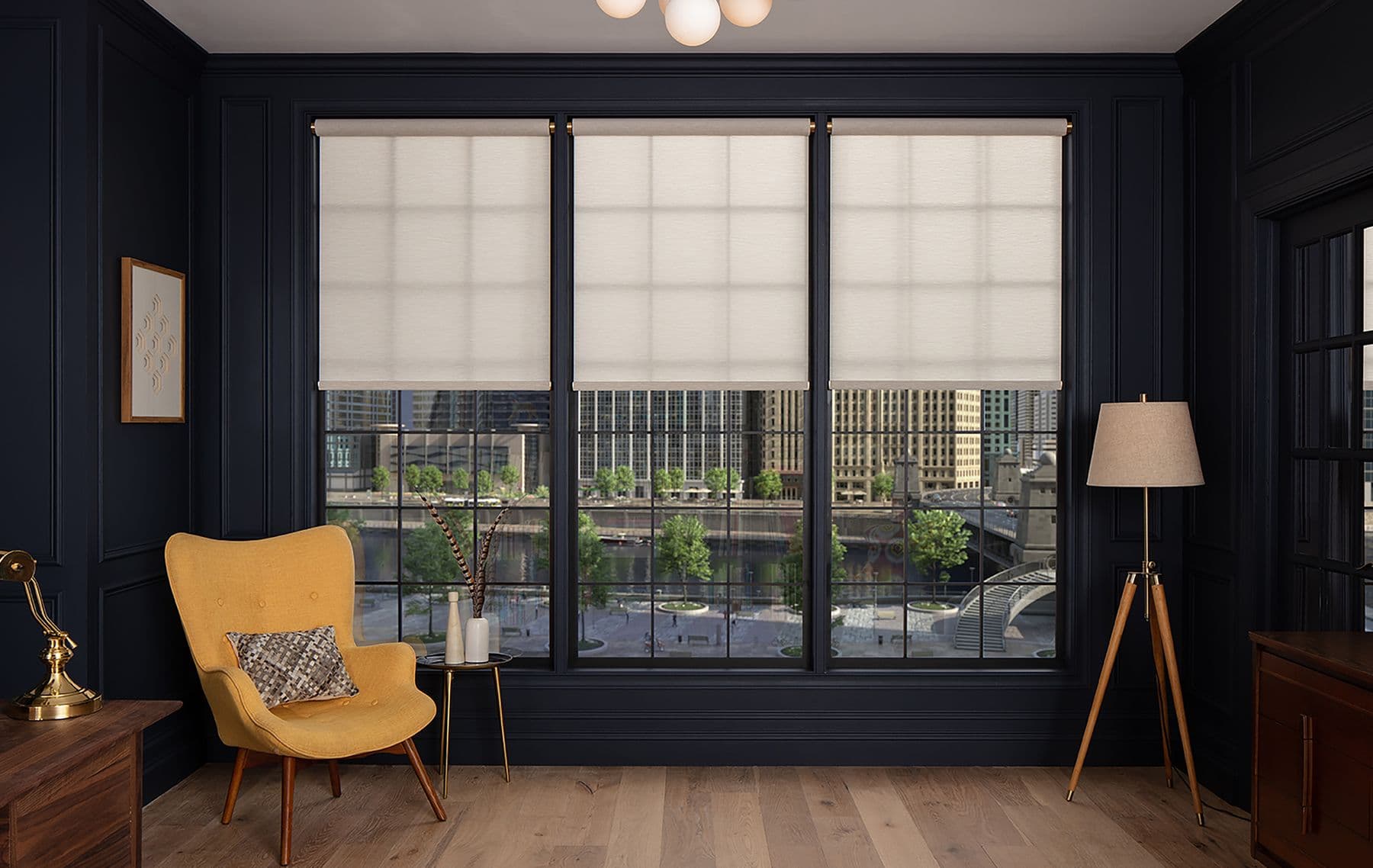
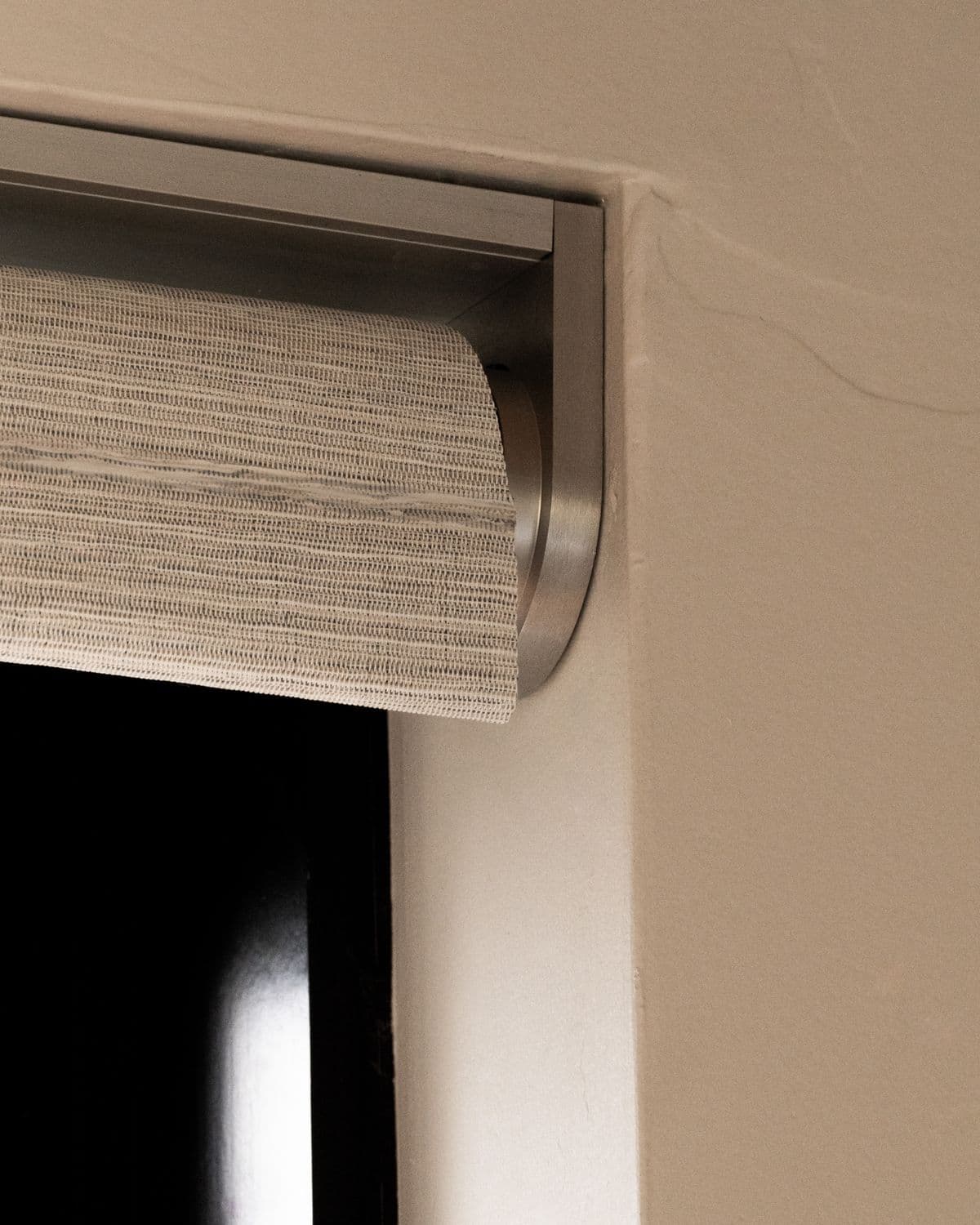
The fabric roll and the brackets stay in view, as part of the design.
Open roll shades show the fabric and the hardware. With finished brackets, the hardware becomes a detail you choose.
- Deep window openings
- Rooms where the hardware is part of the design
- The simplest install
When to bring us in
Three points in the project
Design
Pick the style for each room: pocket, fascia, open roll or drapery. We confirm the pocket sizes with the architect.
Framing
The builder frames the pockets and we run shade wire to every opening. This is the step that cannot wait.
Finishes
We field measure after drywall, order, install and program. The client gets a walkthrough before move-in.
Drapery and shades
Detail you can specify
Silent Gliss and Lutron drapery track, and Lutron and GE Proseo shades.
How does AudioWorks work with interior designers?
You set the look: the style for each room and how it reads in the space. We handle the technical side, from pocket sizes and shade wire with the builder to the field measure, install and programming. You get one contact from design to move-in.
When should a designer bring AudioWorks into a project?
Before framing. Pockets and shade wire are the two things that cannot be added later without opening walls. We can still help after drywall with fascia, open roll and battery shades.
How is the quote laid out?
Each shade is its own line in the quote, grouped by room. You and your client see which rooms get shades and what each one costs. Selections can change before the field measure without starting over.
Start a project
Bring us in early
Tell us about the project. We come back with pocket and wiring notes for your builder, then a quote, shade by shade.